Ask a Filipino grandmother about chocolate and she probably won’t mention bars at all. She’ll tell you about tableya — dark, rustic tablets of pure roasted cacao — and the thick, steaming cup of sikwate they melt into. This is the Philippines’ original chocolate tradition, and it’s the inspiration behind one of our favourite things we make.
What is tableya?
Tableya (also spelled tablea or tablia) are small tablets or discs of roasted, ground cacao — usually pure cacao, sometimes with a little sugar. Cacao arrived in the Philippines on Spanish galleons in the 1600s, and Filipinos have been roasting, grinding and pressing it into tablets ever since — one of the oldest continuous chocolate traditions outside the Americas. Tableya isn’t made for snacking like a modern bar; it’s a kitchen ingredient, kept in the pantry and melted into some of the Philippines’ best-loved comfort foods.
Sikwate: Filipino hot chocolate
Sikwate (also called tsokolate) is the classic use: tableya melted into hot water and whisked to a froth with a wooden baton called a batirol, then sweetened to taste — often with muscovado sugar — and sometimes enriched with milk. It’s thicker, darker and less sweet than Western hot chocolate, and it’s a breakfast drink as much as a dessert, traditionally paired with rice cakes like puto or bibingka.
Champorado and beyond
The other icon is champorado: glutinous rice porridge cooked with melted tableya, eaten warm with a swirl of milk — and, in the classic salty-sweet Filipino move, a side of dried fish (tuyo). Tableya also finds its way into cakes, ice cream and anywhere a deep, rustic chocolate flavour is wanted.
Our 70% Tableya: a bean-to-bar homage
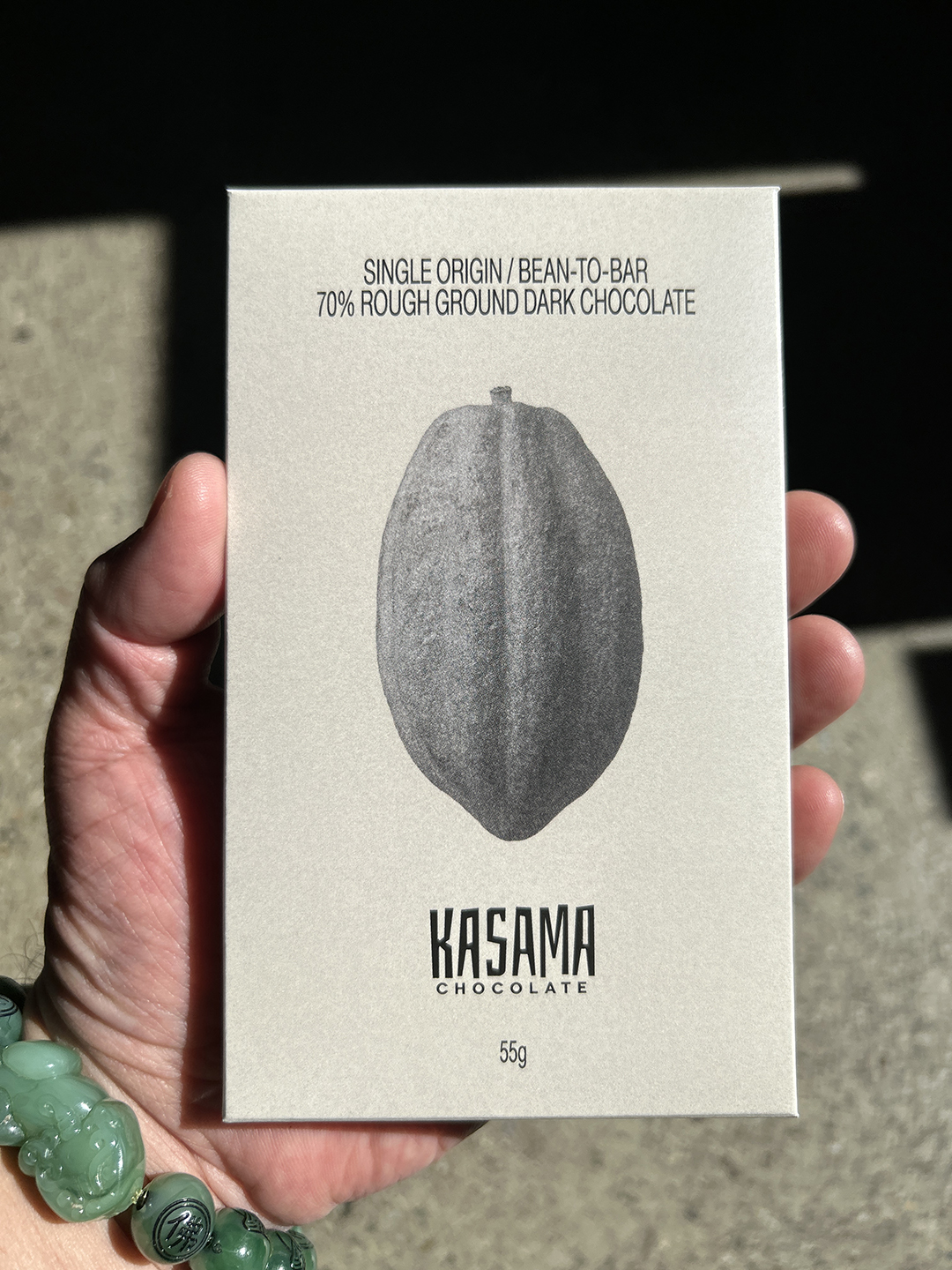
Our 70% Tableya (Rough Ground) is our tribute to this tradition, made with single-estate cacao from Kablon Farms in Tupi, South Cotabato — the same Philippine cacao heartland where tableya culture runs deep. Instead of refining the chocolate smooth for days, we grind it minimally with organic cane sugar, the old-fashioned way. The result is bright, crunchy and juicy — closer to what chocolate tasted like for most of its history. It’s vegan, gluten free, and the packaging was designed by Vancouver-based Filipino designers Russell Recuenco and Justin Lintag.
You can eat it straight (we do), or use it the traditional way: melt it into hot water or milk for a quick sikwate, or stir it into rice porridge for champorado.
Frequently asked questions
Is tableya the same as baking chocolate?
Close, but not quite. Both are minimally processed, but traditional tableya is typically 100% cacao roasted and ground with little else, with a coarser, more rustic texture than Western baking chocolate. Ours is a 70% version with organic cane sugar, so it’s equally at home eaten as chocolate or melted into drinks.
How do you make sikwate with your 70% Tableya?
Melt a few squares into a cup of hot water or milk over low heat, whisking until frothy — a small whisk stands in fine for a batirol. Sweeten to taste. Thicker is better.
Where can I buy tableya in Canada?
Right here — we make our 70% Tableya bean-to-bar at our Granville Island workshop in Vancouver and ship across Canada.
Want to go deeper into Filipino chocolate?
Read our story of Filipino chocolate made in Vancouver, or taste the Philippine single origins at a chocolate tasting on Granville Island.